


Things I Wish I Knew About Love in My Early 20s and 30s – These Would Have Saved Me So Much Heartache:
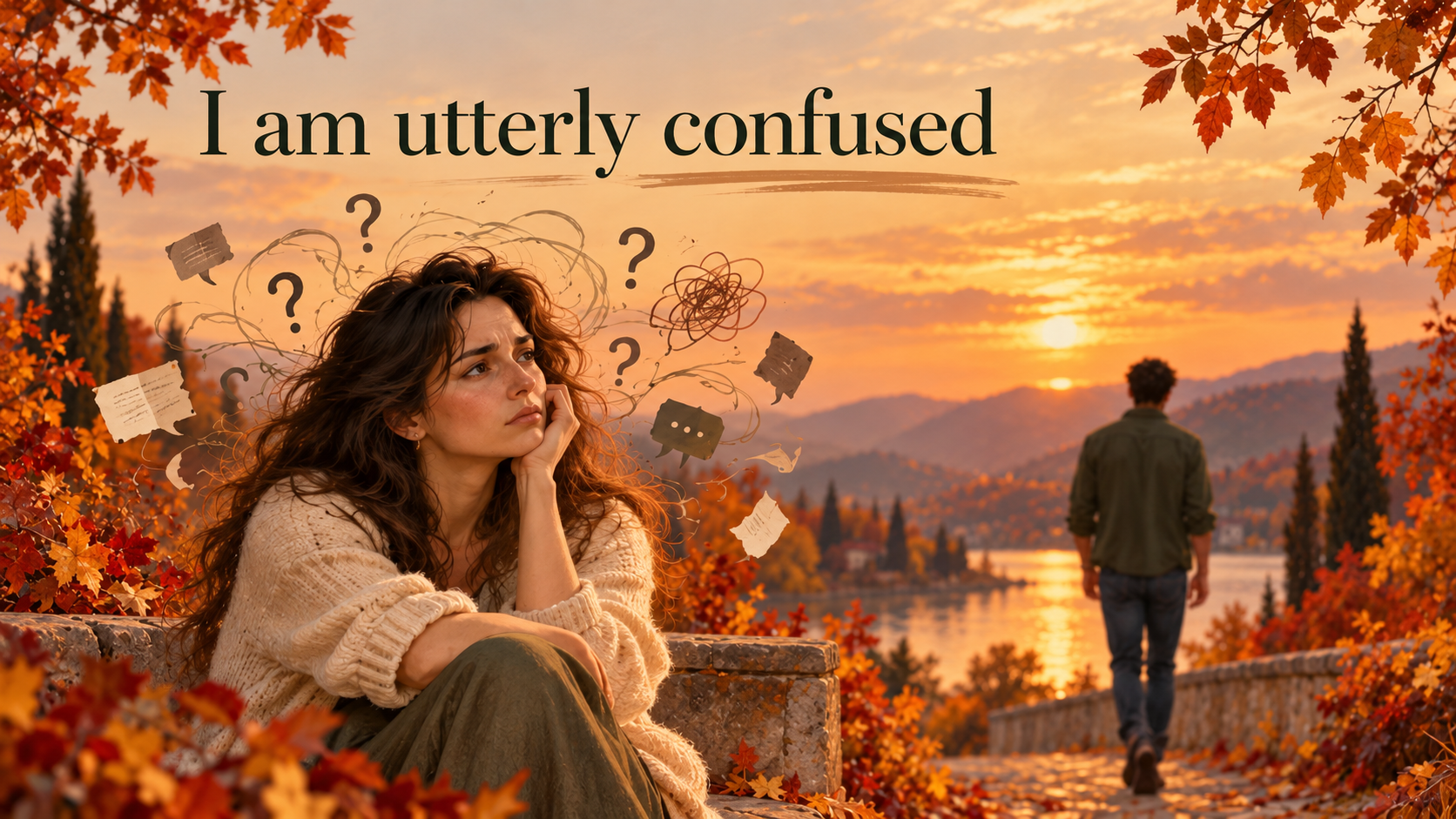
Looking back on how I viewed romantic relationships in my early 20s, I can’t help but wish someone had shared this wisdom with me—wisdom about love and relationships. I was, without a doubt, a product of romanticism and sentimentalism, influenced by books and movies that glorified love at first sight. It was such an alluring idea. Like many others, I was consumed by romantic literature—Leo Tolstoy, Charlotte Brontë’s works, and others—all portraying passionate love marked by intermittent joy and suffering. Suffering, in particular, was a major part of love in these stories. Often, there was an obstacle that had to be overcome before the lovers could live “happily ever after.” But what was rarely shown was the reality of that happily-ever-after—mundane routines, everyday life. This is what real love is about.
I would tell my younger self that the romantic love portrayed in books and movies is not true love. It might be passion, lust, or infatuation, but it is not the kind of love that sustains a long-term relationship or partnership. I wish I had known that passion, lust, and infatuation fade quickly, and that this is completely normal. I remember feeling terrified when I would stop feeling those intense emotions anymore. It left me confused and questioning whether that meant I had “fallen out of love” with the person I was with.
Instead, I wish I had been told that this is when the relationship actually begins. The hormonal cocktail fades, and you start to see the other person more clearly—both the differences and commonalities between you. This is when you truly discover if your relationship has a solid foundation for partnership—if you and your partner truly share similar values and interests. Most importantly, this is when you can determine whether your partner has the skills of attunement, or is open to learning these skills. Attunement is the ability to see and hear another person without being overwhelmed by your own emotions, and to meet their needs with care.

If you’d like to learn more about attunement in romantic relationships, check out this blog, where I share how using the Five Love Languages as a way to objectively understand how attuned someone is in a relationship.
This is why I’m a big fan of changing the language from “I am in love with this person” to “I am in attunement with this person.” Attunement is concrete and can be evaluated in a more objective way, whereas “being in love” is a feeling—an elusive feeling that can fade at any time. Anyone can experience the intense dopamine rush of “being in love,” but that doesn’t mean they will act in loving ways—showing up when we’re sick, offering kind words when we feel anxious, and so on.
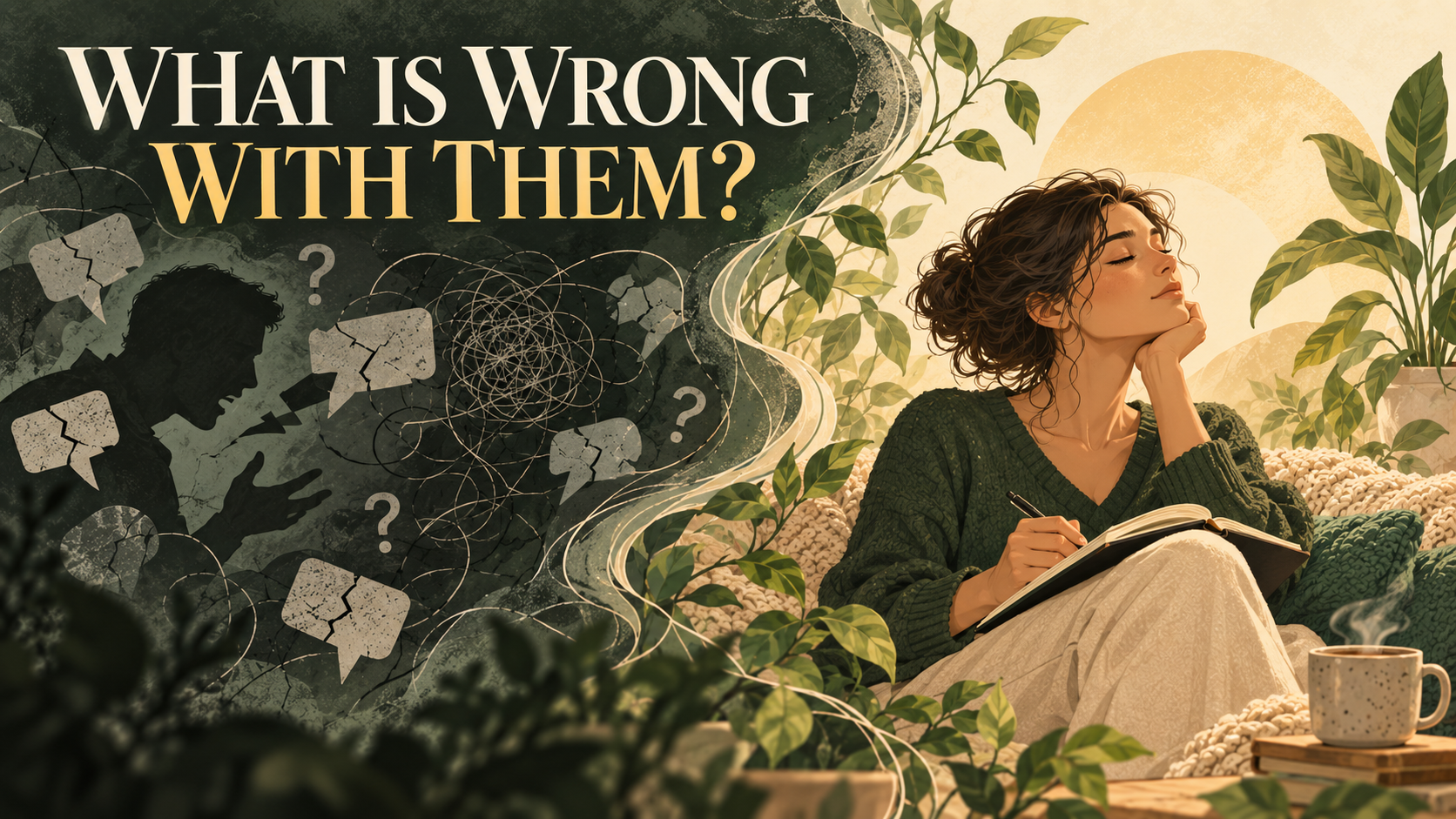
Another misconception I had about love was that if you love someone, you shouldn’t experience any negative or unpleasant feelings about them. If I felt irritated or disgusted by something they did, I thought it meant I didn’t love them. The idea of having complex, sometimes even paradoxical emotions toward your romantic partner wasn’t, and I still don’t think it is, supported in the portrayal of love in romance literature. For a healthy relationship dynamic, it is essential to embrace the fact that we can dislike something someone does and still love them. We might be annoyed when they leave dirty socks around or forget to close the kitchen cabinets, but we can still maintain a greater sense of esteem, respect, and affection for them
Summary of the wisdom I wish I could have shared with my younger self:
- The initial hormone cocktail is not love—it’s lust, passion, or infatuation. This pull is not love.
- View love through the lens of attunement. The goal is mutual attunement—the ability to see and hear each other as separate individuals with unique needs and to speak multiple love languages to express love in concrete ways.
- Love is not always about feeling good about our romantic partner. We can be annoyed, disgusted, or even angry with them and still love them.
Understanding this would have significantly reduced my anxiety, confusion, and frustration around relationships, leading to much healthier choices in my life.
I am here to help you thrive in every relationship – starting with yourself.
Viktoria