



Jealousy – a misunderstood emotion:
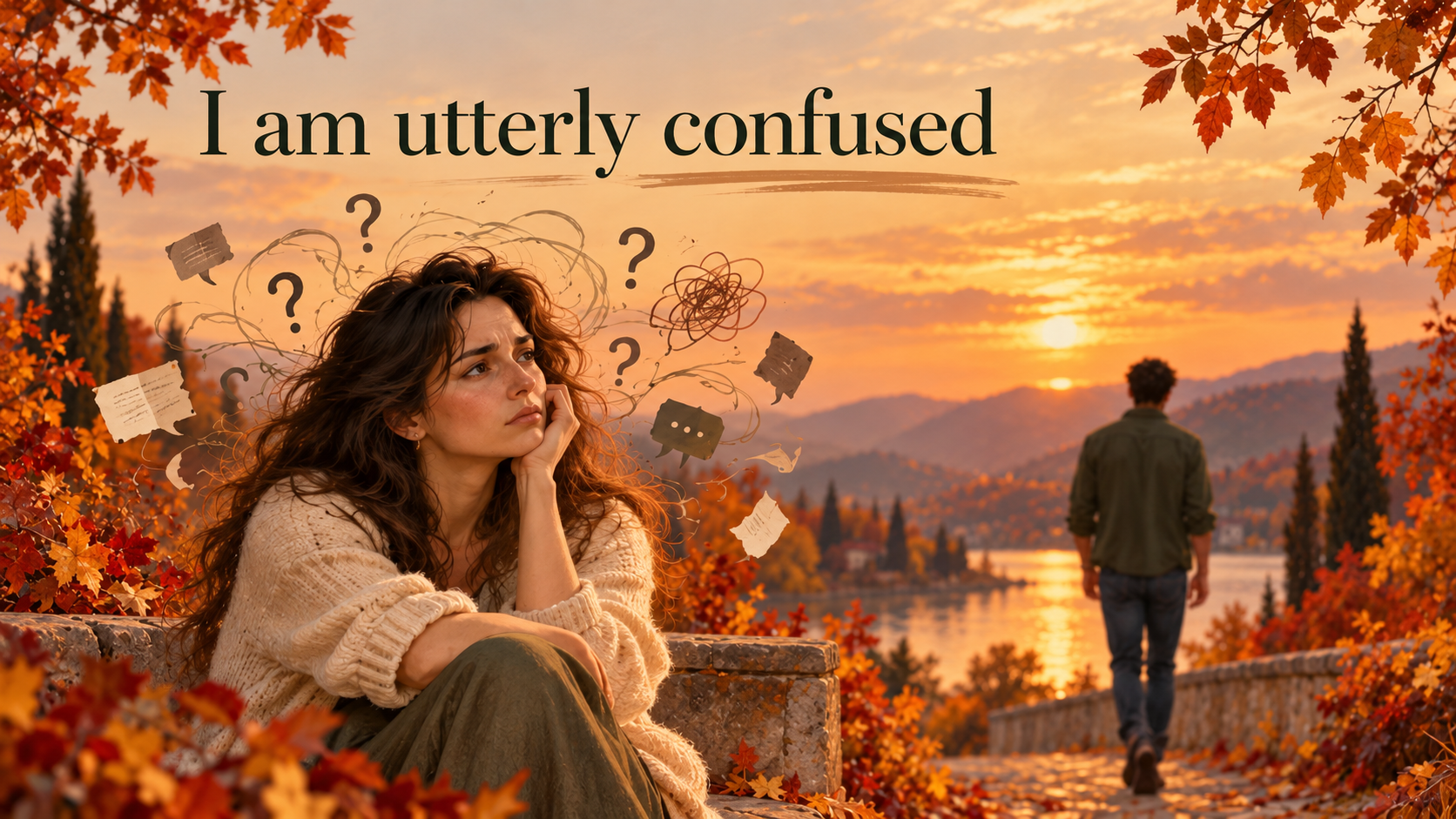
Jealousy — this word has a bad rep. And for me, when I was a young adult, it was a deeply loaded word. I carried so many assumptions and beliefs about what it meant to feel jealous. I believed it was bad or wrong to experience jealousy, and that it automatically meant I was insecure.
I thought something was wrong with me for feeling that way. Most of all, I believed it was absolutely wrong to express jealousy to my partner. I saw it as revealing a significant vulnerability — one that would lower my pride. Yes, pride was a big word floating around in my head back then, telling me it would be humiliating and degrading to admit I felt jealous.
Now, when I look back, I wish I could speak to my younger self and reassure her that those beliefs had no real merit.
I would start by breaking down the idea that jealousy is just a word — a social construct — and one surrounded by all kinds of stereotypes. The most prominent? That if you feel jealous, you’re either insecure or controlling.
- Insecure – I challenge that. Jealousy is a socially constructed word used to describe the anxiety that arises when you fear your partner might be, or is, interested in someone else. But why would we feel anxiety in such a situation?
Through an evolutionary lens, it makes perfect sense. We’re wired for emotional attachment and bonding — essential elements for the survival of both ourselves and our offspring. Anything that threatens this emotional bond naturally activates our internal alarm system: anxiety.
So yes, it makes complete sense to experience this emotion. And when you understand it this way, the narrative that jealousy equals insecurity begins to fall apart.
- Controlling – I challenge this too. Jealousy — or more accurately, the anxiety that your emotional bond might be at risk — often gets associated with controlling behaviours: interrogating, blaming, making ultimatums, or lashing out.
But here’s the thing — feeling an emotion and how we respond to it are two different things. Behaviour is our outward expression of an internal experience. And while some reactions to jealousy can be destructive, others can be deeply constructive.
There are healthy ways to respond when we feel anxiety about our relationship. Instead of burying it or acting out, we can share that emotion in a way that builds connection and trust.
For example, when I finally broke through my old limiting beliefs about jealousy, I was able to say to my partner:
“I’m feeling a bit anxious that you might like X person — maybe even more than me. It would really help me to hear that I’m still your number one and that there’s nothing to worry about.”
It took a lot to step into that vulnerability, and there was already a strong foundation of trust that made it possible. A loving and caring partner will respond with respect and reassurance.
That said, not every partner will. And it’s important to know — that doesn’t mean you did anything wrong. Some people, no matter how gently or openly you express yourself, might still get defensive, invalidate your feelings, or even lash out.
As painful as that can be, it tells you something important about the relationship: about its limits around emotional safety and trust. And that gives you valuable information for deciding how you want to move forward.
I wish I had known all of this when I was navigating relationships in my 20s. Understanding jealousy through this lens could have helped me strengthen the bonds I had — or recognize when something wasn’t right.
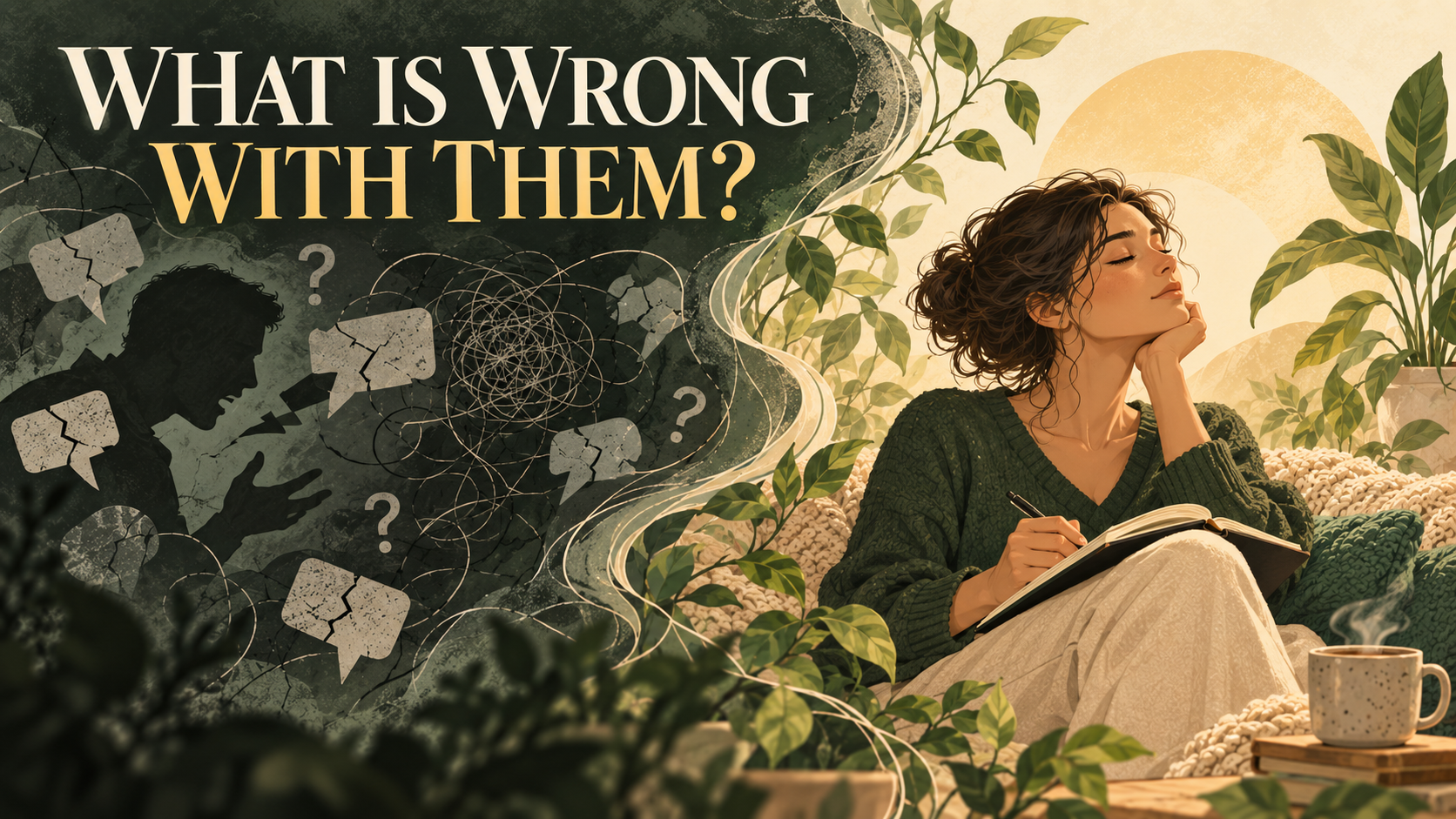
I invite you to reflect on your own beliefs about jealousy. Where did they come from? And are they still serving you today?
Maybe it’s time to challenge them — and begin to see this emotion, not as a flaw, but as a doorway to deeper connection and insight.
I am here to help you thrive in every relationship – starting with yourself.
Viktoria